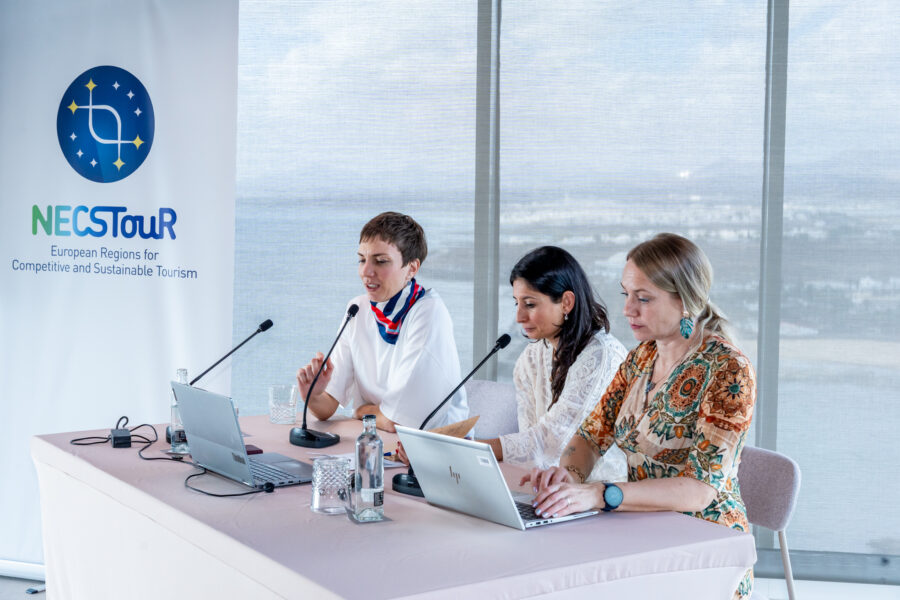
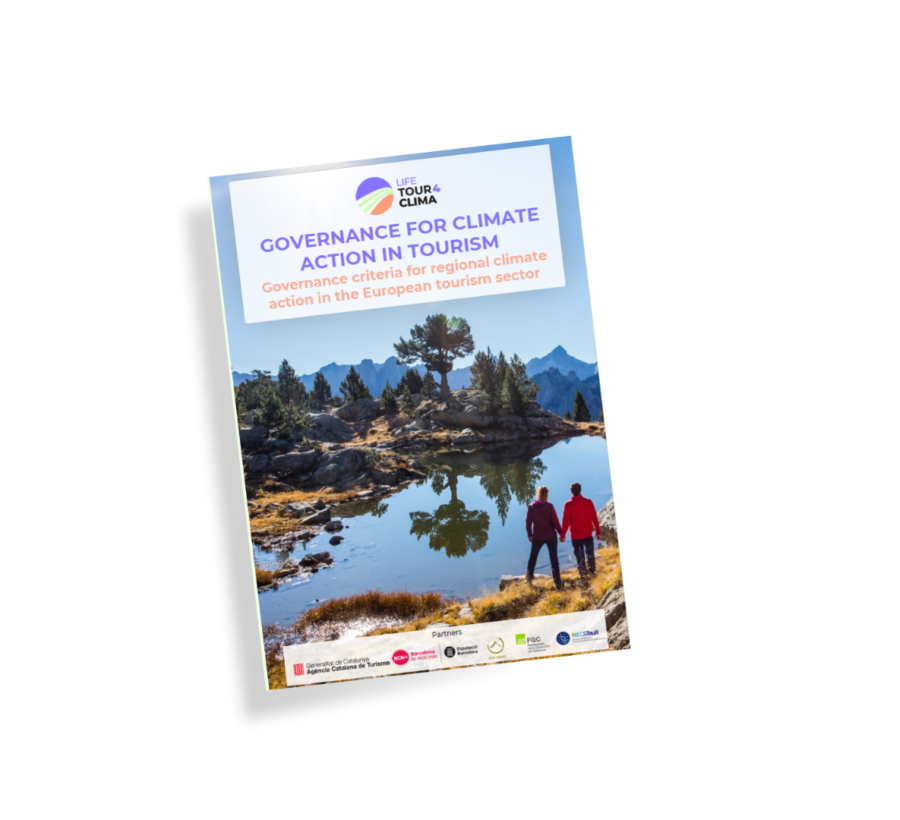
The Knowledge Day began with two working groups moderated by Héctor Fernández Manchado from Lanzarote Tourism Board who showcased Lanzarote’s work in implementing effective climate action policies as part of their broader tourism strategy and Mariona Salvatella from the Catalan Tourism Agency who discussed the work on their new TOUR4CLIMA project funded by the EU’s Life programme which also involves NECSTouR as a project partner. Mariona outlined their project’s goals and plans to reduce C02 emissions, manage water usage more effectively, develop a policy roadmap to Net Zero for tourism accommodation and strengthen links between the public and private sector.
Viginia Fernandez Trapa from UNWTO shared her perspectives on the Glasgow Declaration’s 2024 Implementation Report and on how to achieve Net Zero in tourism. Thomas Dworak of Fresh Thoughts Consulting provided valuable insights on accessing funding for climate adaption, walking all participants through the steps to be taken when building a proposal.
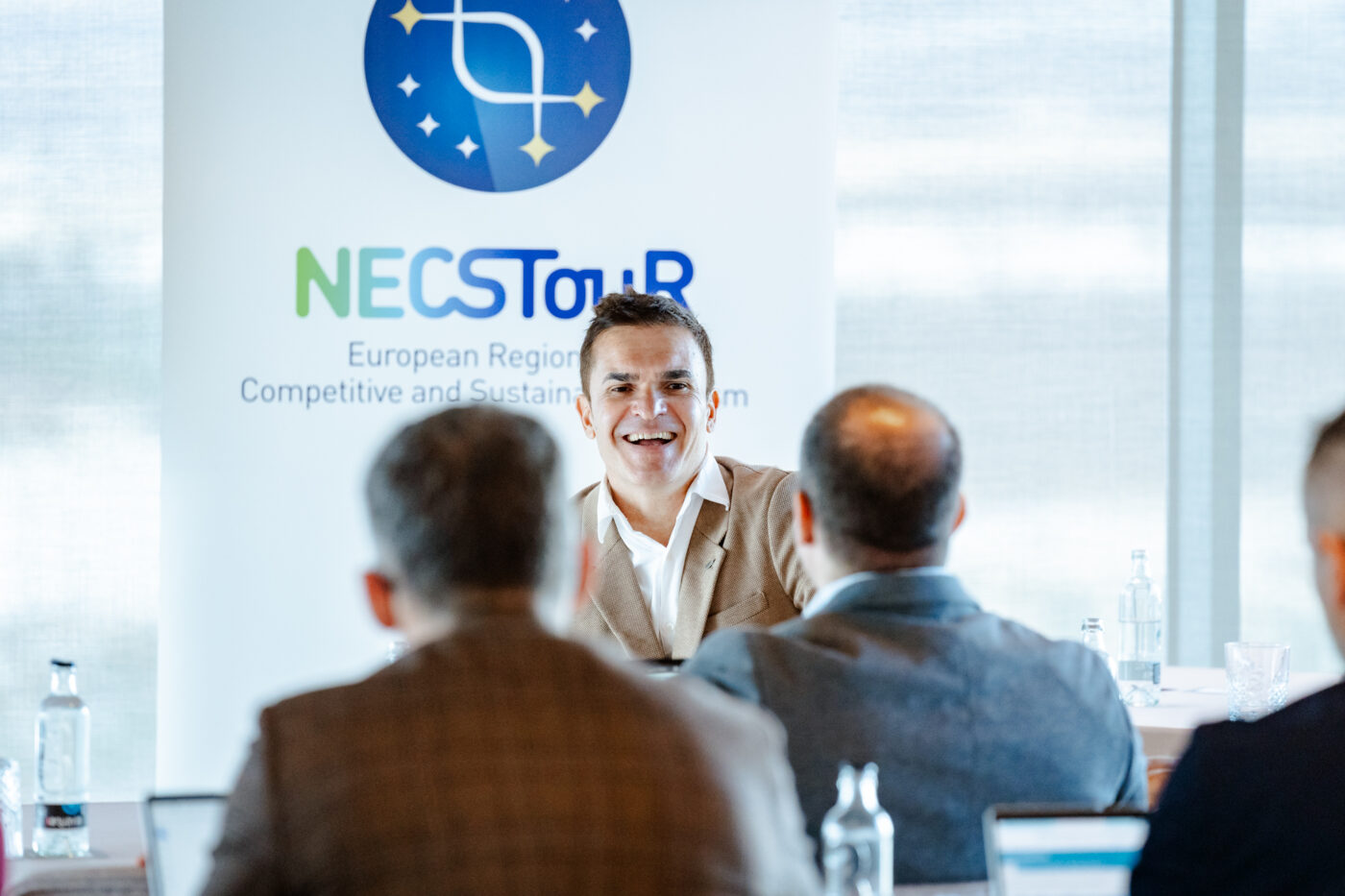
The morning of the Knowledge Day was rounded off with a discussion on measuring a destination’s carbon footprint moderated by our Strategy Director Cristina Nuñez. This panel featured Daniel Iglesias Gonsálvez from NECSTouR’s ToTLab, Teodora Marinska from the European Travel Commission, Liisa Kokkarinen from Visit Finland, Ivar Neelis from Breda University of Applied Sciences and Bart Neuts from Visit Flanders. Participants learned much from the projects, dashboards and research to inspire them in implementing carbon footprint measurement strategies. The message of these sessions was clear, namely that we cannot wait for standards or to have all the data we need to start taking action.
In the afternoon, Patricio Azcárate Díaz de Losada from the Responsible Tourism Institute moderated a panel session on integrating sustainability throughout the entire tourism value chain with valuable perspectives on the implications of sustainability certification from Xavier Font of University of Surrey, Liisa Kokkarinen from Visit Finland and Marta Machado of HOTREC. This was followed by presentations from Daniel Iglesias Gonsálvez, Chief Data Scientist of the Tourism of Tomorrow Lab and Anssi Tarkiainen from Lapland University of Applied Sciences demonstrating how the EU funded DEPLOYTOUR project has unlocked new opportunities for collaboration, innovation and growth for SMEs and DMOs.
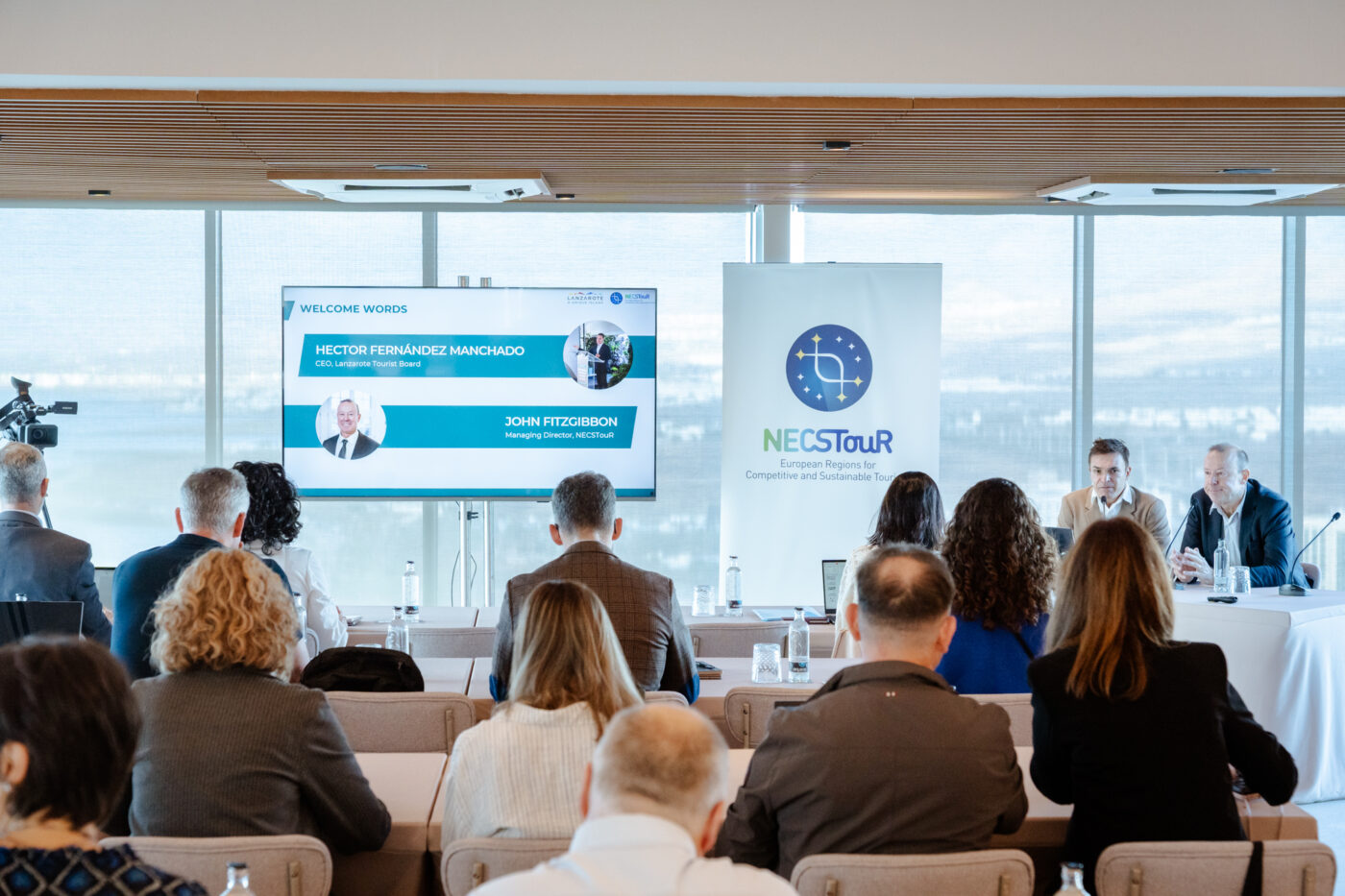
We rounded off the day with a sustainable tourism governance session moderated by John Fitzgibbon, Managing Director of NECSTouR with case studies from Mariano Juan Colomar of Ibiza Island Council, Matty Vincke from Westtoer, Jaume Mata of Visit València, and Ulf Sonntag from Institute for Tourism Research in Northern Europe. These presentations highlighted pertinent sustainable tourism governance models from the island, regional, city and academic perspectives.
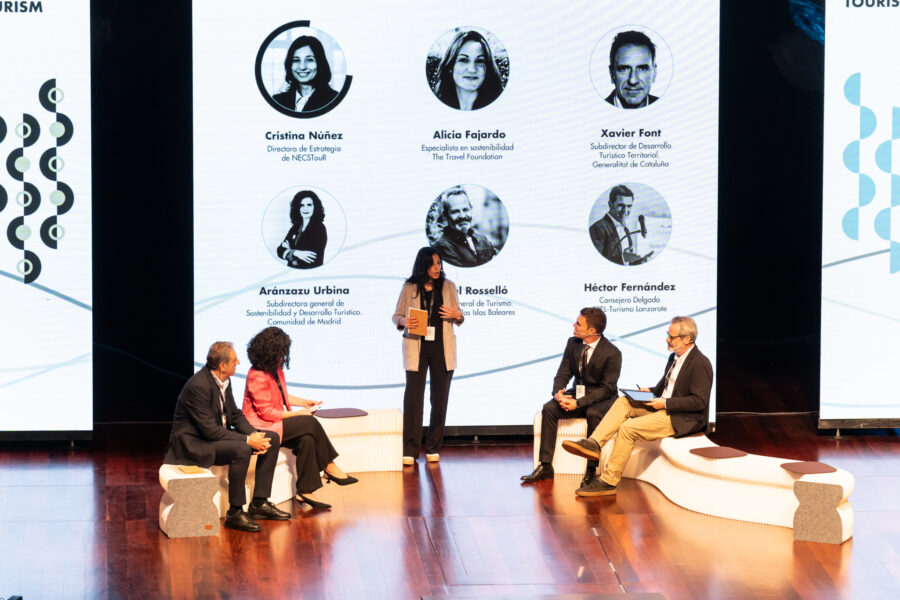
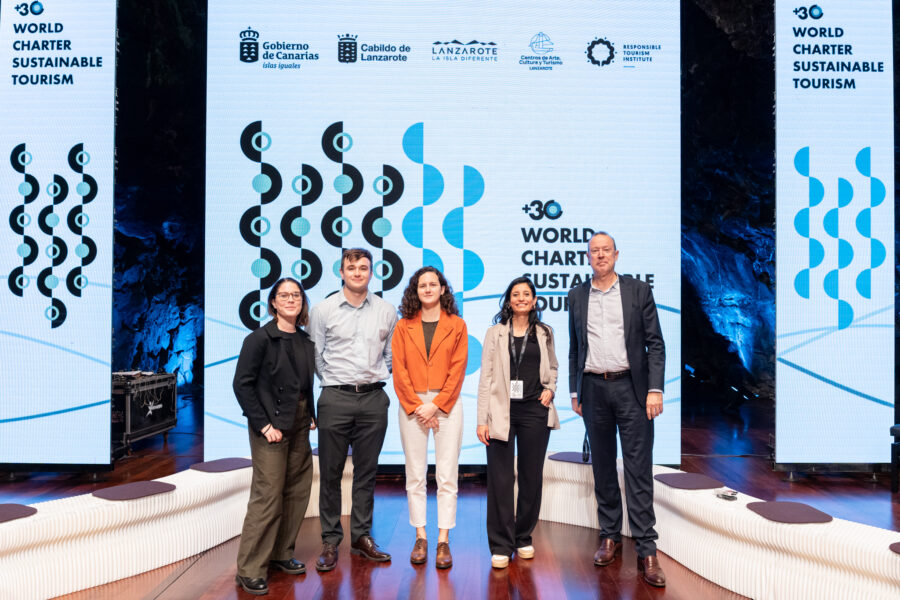
The following day was devoted to the 30th anniversary of the World Charter for Sustainable Tourism. Cristina Nunez moderated the first session involving NECSTouR members Aránzazu Urbina from Madrid region, Xavier Font Urgell from Barcelona Provincial Council, Miguel Ángel Roselló from the Balearic Islands Government and Héctor Fernández Manchado from theLanzarote Tourism Board. The discussions successfully showcased innovative approaches and explored different ideas on how to deal with balancing tourism with a specific focus on supporting citizens businesses and governments.
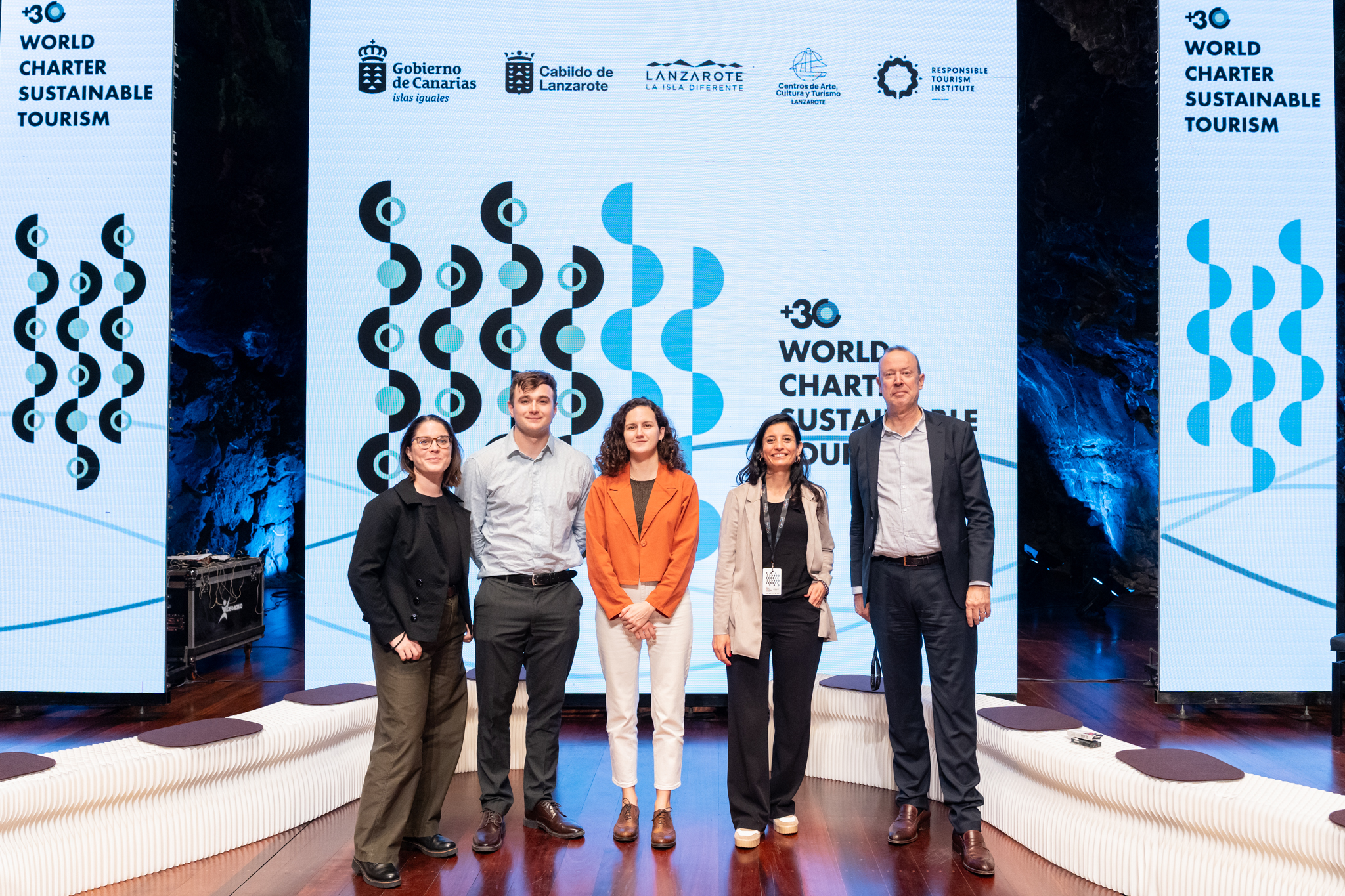
This second edition of the NECSTouR Knowledge Day and our attendance at the 30th anniversary of the World Charter for Sustainable Tourism achieved two important goals. The first, providing all members practical information to meeting the goals of our 2030 Strategic Pathway. Second, it reinforced the value of coming together of DMOs, governments and research institutions from across Europe to share experiences and insights to achieve meaningful and lasting change in the tourism sector.
To read more about the significance of the events that unfolded last week, please read our article in the EU Observer: