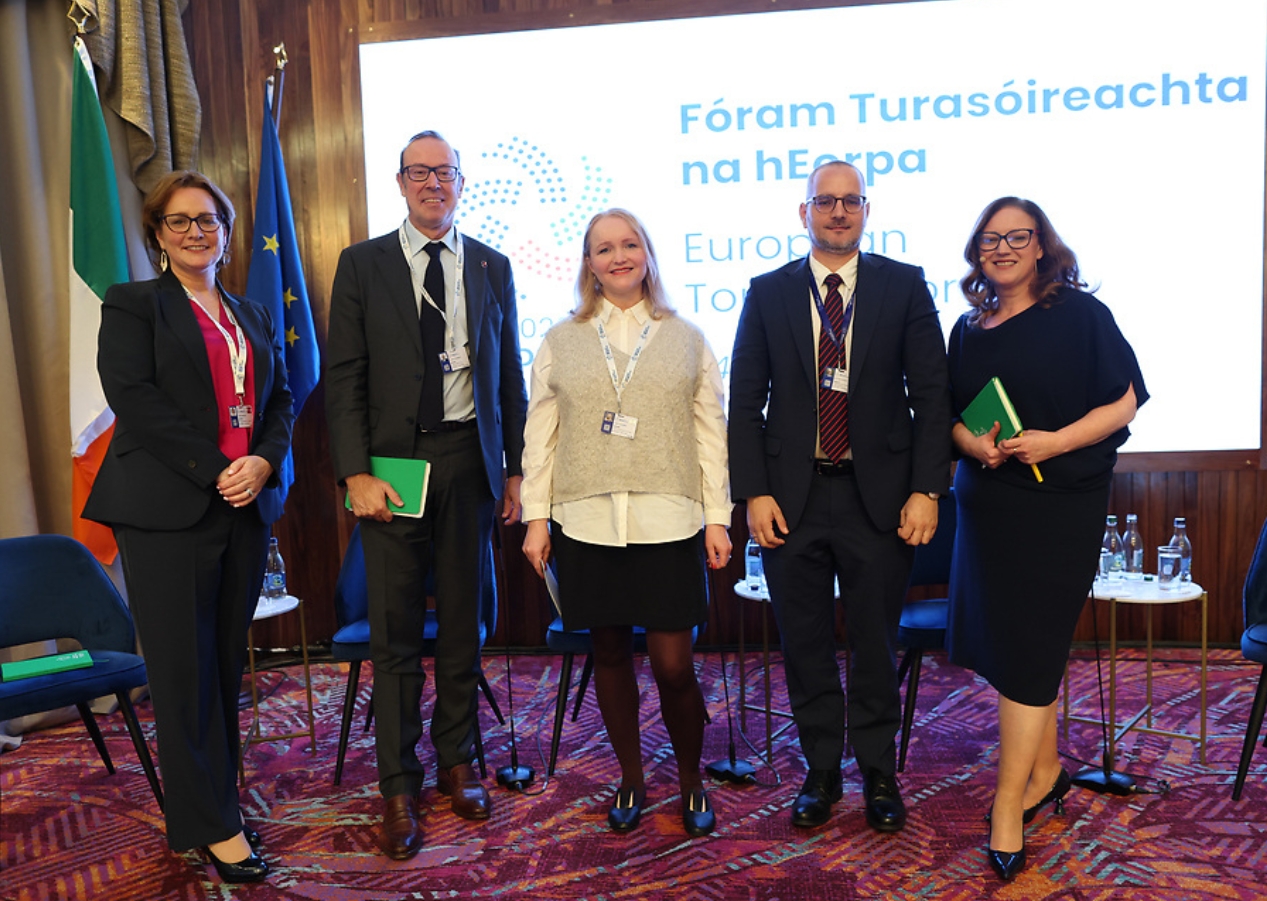
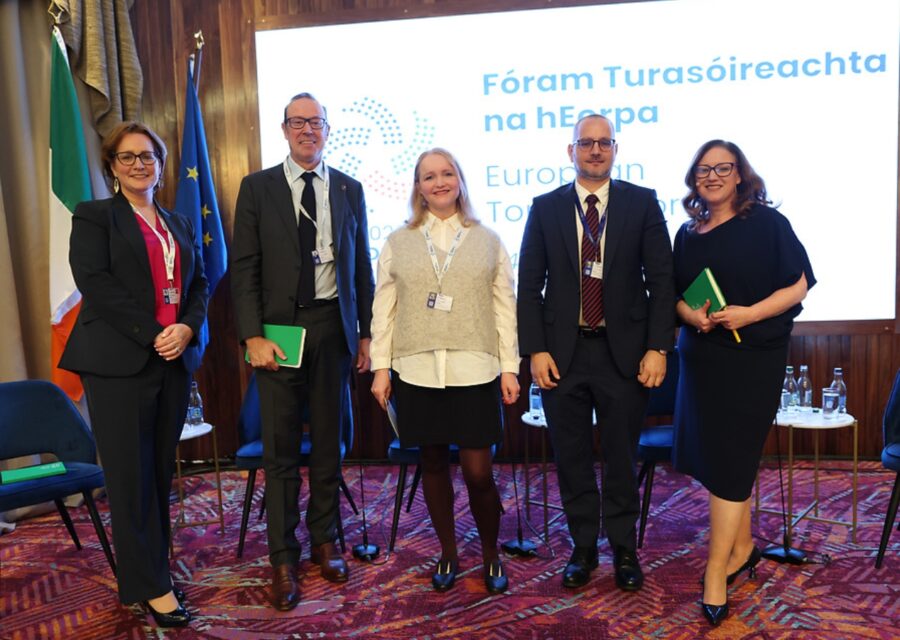
The annual Forum gathered European policymakers, tourism authorities, destinations, industry leaders, and experts to explore how tourism can remain competitive while responding to growing societal, environmental, and technological challenges. NECSTouR contributed to the panel discussion on “Competitive Tourism Destinations”, which examined the evolving meaning of destination competitiveness in a rapidly changing tourism landscape.
From “More Tourism” to “Better Tourism”
For decades, destination competitiveness was measured through familiar indicators: more visitor arrivals, more overnight stays, and greater tourism expenditure. The Forum highlighted a growing challenge facing many European destinations. In some of Europe’s most visited locations, tourism’s success has also generated pressure on housing, infrastructure, public services, and quality of life, leading to increasing concerns among local communities.
Against this backdrop, the panel involving NECSTouR explored a fundamental question: does competitiveness still mean growth alone, or should destinations be measuring success differently?
Speakers discussed the need for tourism strategies that balance economic performance with environmental sustainability, community wellbeing, resilience, and visitor experience while ensuring that tourism continues to deliver tangible benefits for businesses and local economies.
Harnessing Data and Digitalisation for Better Decision-Making
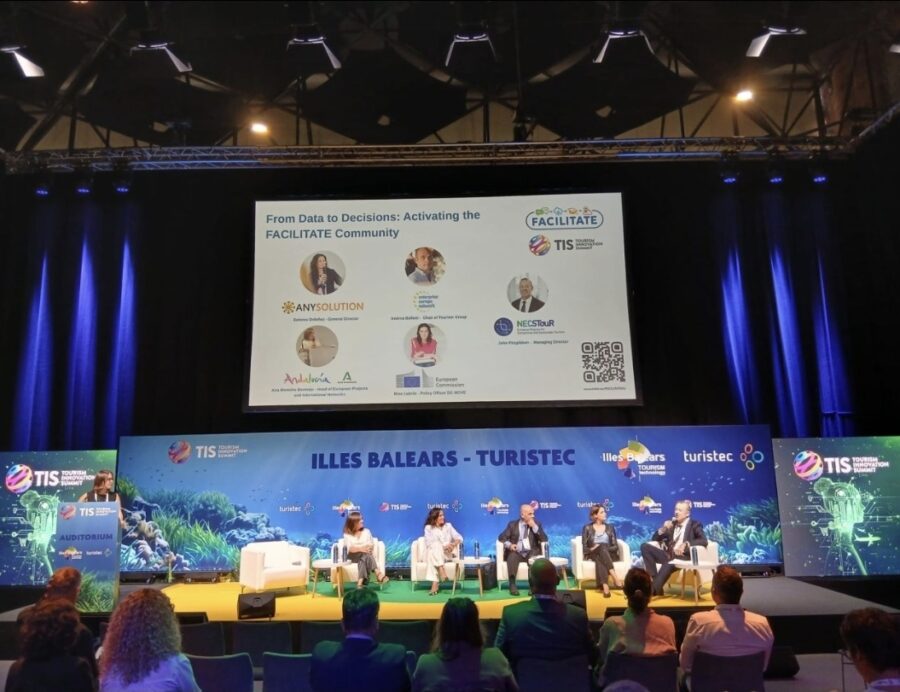
A central theme of the session was the role of data, digitalisation, and artificial intelligence in helping destinations make better decisions, improve performance, and better understand visitor behaviour.
NECSTouR emphasised that destination management organisations (DMOs) across Europe are increasingly eager to adopt AI-driven solutions. However, successful adoption requires more than access to technology.
DMOs need independent guidance to make informed decisions about AI investments and implementation, In a rapidly expanding market where providers often promise transformative results, destinations must be able to critically assess solutions and identify those that genuinely support their strategic objectives.
Public procurement is becoming a key element of AI readiness, requiring tourism organisations to develop new capabilities not only to use digital tools, but also to evaluate suppliers, manage risks, and ensure long-term value for destinations.
Building Capacity Across Destinations
NECSTouR highlighted the importance of investing in skills development across destination organisations. Capacity-building efforts should combine practical digital competencies with the critical thinking needed to assess technologies, understand their implications, and align them with destination priorities.
Importantly, the knowledge and expertise acquired by DMOs can be shared across the wider tourism ecosystem, helping small and medium-sized tourism enterprises (SMEs) benefit from innovation and digital transformation.
At the same time, NECSTouR underlined that destinations must retain sufficient internal expertise to govern and oversee external technology providers.
AI should not replace destination governance. DMOs must preserve their capacity to manage suppliers, assess outcomes, and ensure that technology serves public interest objectives.
Governance First, Technology Second
One of NECSTouR’s key messages was that the definition of AI objectives remains fundamentally a destination governance responsibility.
Rather than allowing technology providers to steer priorities, destinations must first determine what they want to achieve, whether that is reducing tourism pressures, improving mobility, supporting local businesses, enhancing visitor experiences, strengthening resilience or all of these, only then can AI and digital tools be deployed effectively to help deliver those outcomes.
Looking Ahead
With the publication of the European Commission’s EU Sustainable Tourism Strategy on the day of the European Tourism Forum, discussions reinforced the need for a broader understanding of destination competitiveness. Success can no longer be measured solely by growth figures, but increasingly by the ability of destinations to create value for visitors, businesses, residents, and the environment.
NECSTouR will continue to advocate for regional perspectives in European tourism policy, ensuring that digitalisation, data, and artificial intelligence are deployed in ways that strengthen destination resilience, support local communities, and contribute to a more sustainable tourism model across Europe.