March 26, 2026
NECSTouR Regions Lead the Future of Data‑Driven Tourism Governance
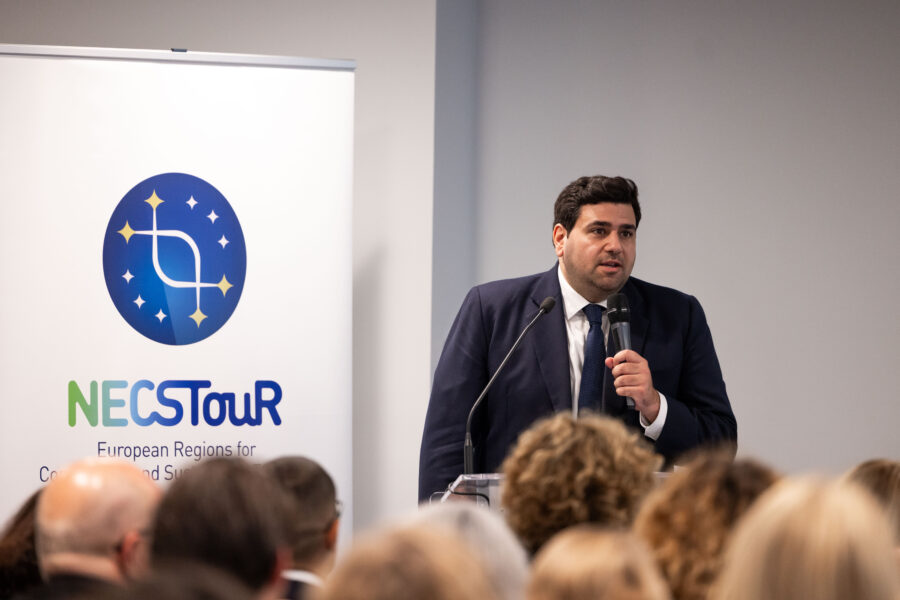
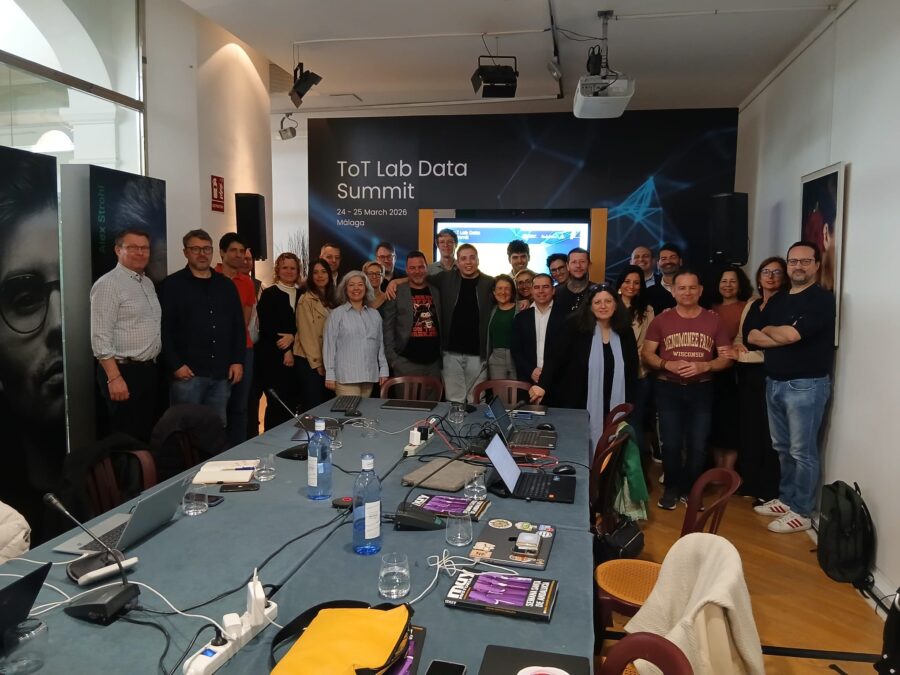
After an insightful two‑day Data Summit in Málaga, organised by our Tourism of Tomorrow Lab and Andalucía Nexus, NEC [...]
See more

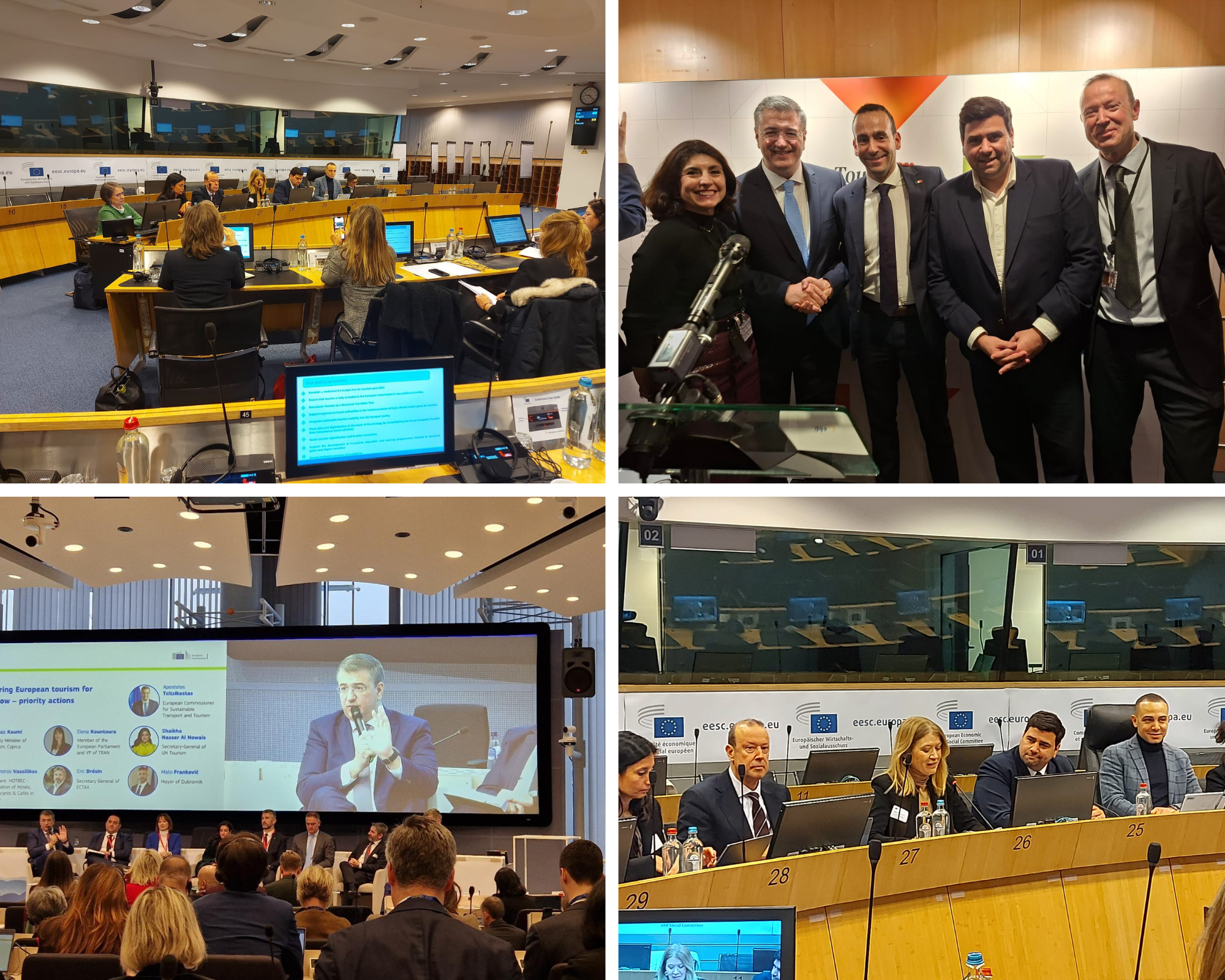
Last week, NECSTouR underlined its role as an important voice for Europe’s regions by building upon the discussions from the European Tourism Day during our first Tourism Advocacy Group meeting of 2026 taking place the following day in the Committee of the Regions. The reflections from these two days showed how the perspectives of Europe’s regions highlighted in our recent policy pronouncements resonate with the proposed pillars of the upcoming EU Strategy for Sustainable Tourism.
During European Tourism Day, European Commissioner Apostolos Tzitzikostas highlighted the importance of tourism to Europe’s regions by stating stated that “As a global phenomenon shaped locally, tourism plays a key role in the development of many European regions.” Commissioner Tzitzikostas highlighted four priorities of the upcoming EU Strategy for Sustainable Tourism, namely competitiveness and sustainability, labour and upskilling, data and technology, and Europe as a world leading destination. These essential aims connect to NECSTouR’s long‑standing commitment to supporting regions and DMOs across Europe to be at the forefront of technological changes and to ensure tourism across the continent continues to flourish.
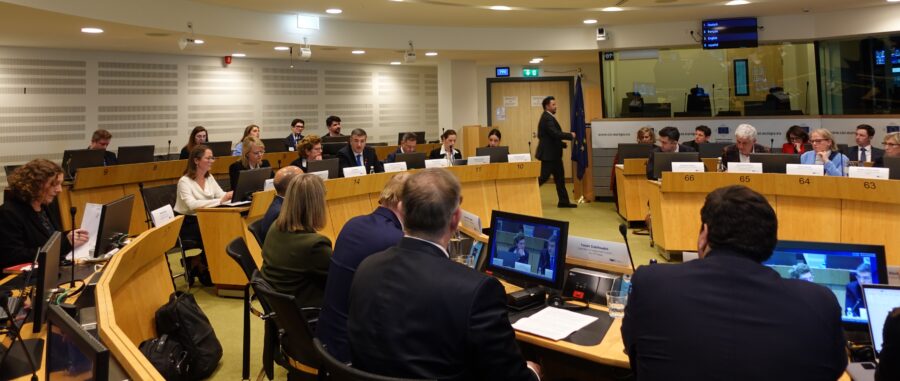
NECSTouR’s Tourism Advocacy Group meeting, chaired by NECSTouR Executive Vice President and CoR Member Mathieu Cuip, provided a post European Tourism Day platform to reflect on the proceedings of the previous day with members of the Committee of the Regions and the European Parliament. NECSTouR’s President Elena Baena set out the network’s policy priorities under the Pathway Strategy 2030 and further reaffirmed the importance of regional collaboration in making Europe a competitive, sustainable and world leading destination.
MEP Daniel Attard addressed the NECSTouR Tourism Advocacy Group, sharing valuable insights from his report on connectivity, cultural heritage, and destination management and opened a constructive debate on how EU legislation can better support regional tourism both for DMOs and citizens. In this exchange of ideas and perspectives, the growing issue of short‑term rental regulation to protect housing availability while maintaining vibrant visitor experiences was discussed. Representatives from NECSTouR member regions the Balearic Islands and Galicia took the opportunity of this cross-institutional policy discussion to remind participants that we must ensure that the forthcoming EU Tourism Strategy identifies real, practical tools for regions, including managing seasonal pressures, aligning tourism with community wellbeing, and supporting skills development. Addressing these widely acknowledged challenges is crucial to safeguard Europe’s tourism sector.
By including regional perspectives to shape Europe’s tourism transition, the European Commission will be better placed to deliver the priorities of its new European Tourism Strategy. By engaging directly with EU policymakers and identifying a common cause in the priority areas set out by the European Commission, NECSTouR continues to demonstrate itself as an important partner in building a more sustainable and competitive tourism future for Europe.