July 17, 2026
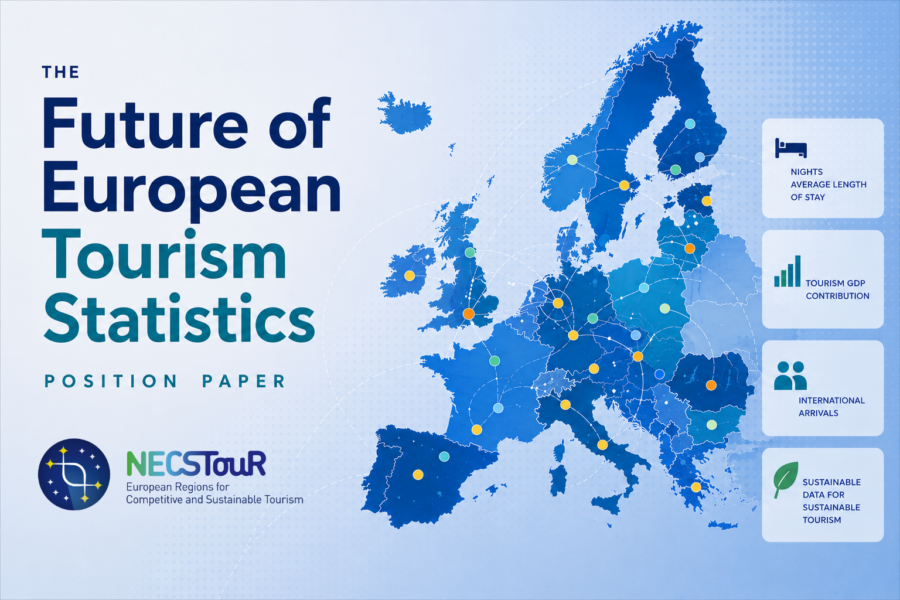
The Future of European Tourism Statistics
NECSTouR has submitted its contribution to the European Commission’s Call for Evidence on the revision of Regulation ( [...]
See more

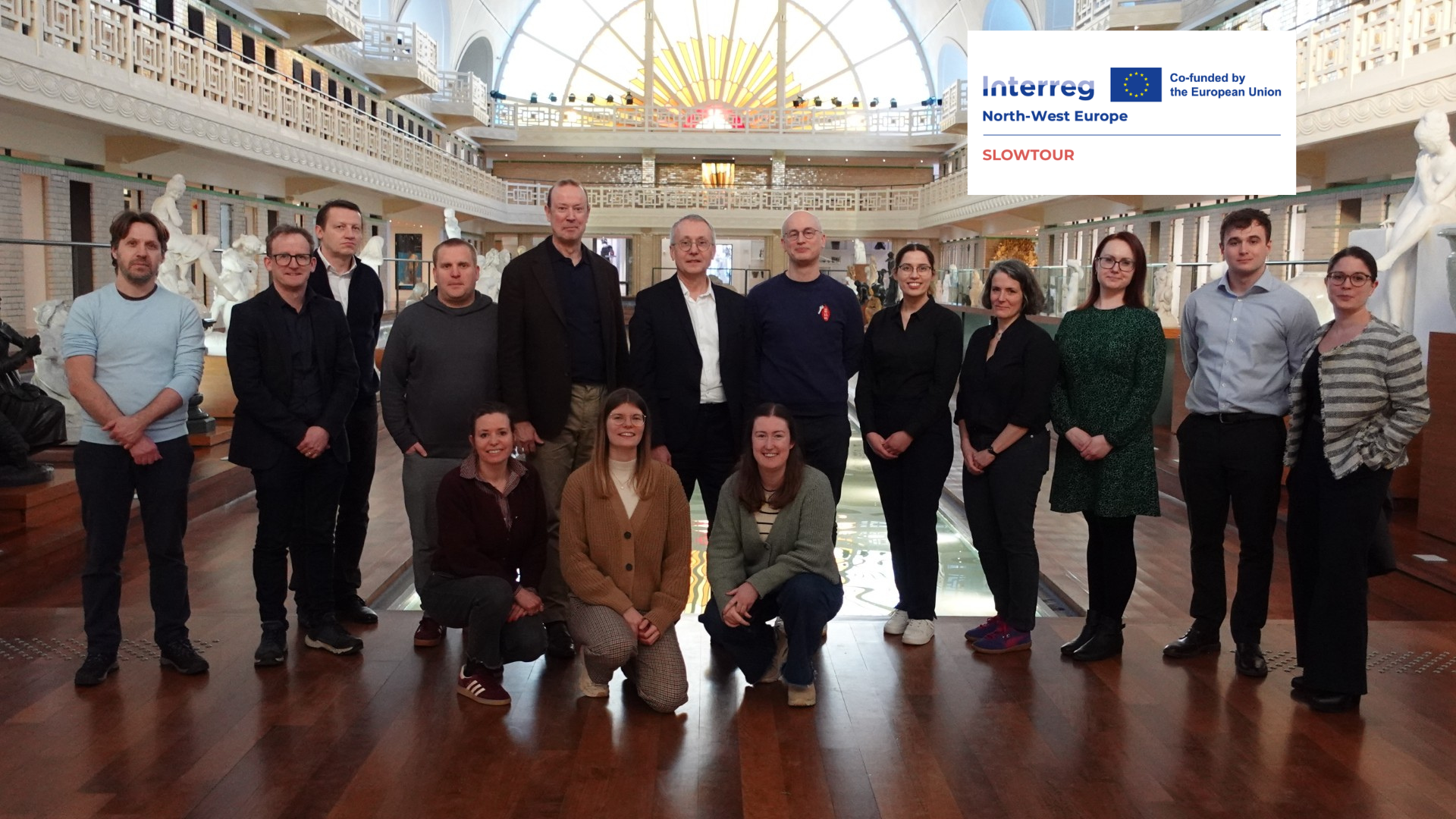
The SLOWTOUR project officially launched in November 2026, bringing together a committed consortium of European partners determined to revitalise industrial heritage areas in North-West Europe (NWE) through citizen-led slow tourism. With a budget of €5.1 million and funded by the Interreg North-West Europe programme, SLOWTOUR will run for 3.5 years, helping cities transform underused heritage assets into inclusive, vibrant and sustainable destinations.
Across NWE, many small and medium-sized cities possess rich industrial heritage but face shared challenges: socio-economic decline, abandoned or underutilised heritage sites, fragmented visitor flows, and citizens who often feel disconnected from their cultural identity. SLOWTOUR positions slow tourism as a catalyst for:
The project will reimagine neglected industrial areas as dynamic destinations where citizens become storytellers, co-creators and ambassadors, ensuring tourism development is rooted in shared values and creates tangible benefits for local communities. Over its 3.5-year lifetime, SLOWTOUR will:
A strategic framework co-created by local authorities, experts, and communities, offering:
This blueprint will guide the project’s pilot cities and provide a scalable model for others.
Six pilot actions in Galway (IE), Roubaix (FR), Roeselare (BE), Tournai (BE), Limerick (IE), and Pirmasens (DE) will explore:
These pilots will directly involve 500 citizens and result in 24 new slow tourism experiences, expected to attract 2,000 visitors to emerging neighbourhoods.
The project’s final output, a Slow Tourism Playbook will provide cities and regions with a practical toolkit for implementing slow tourism within heritage-led regeneration strategies.
It will inspire 20 additional NWE cities to take up the model, supported by:
SLOWTOUR is coordinated by the City of Roubaix (France) and brings together a diverse partnership of municipalities, academic institutions, regional development agencies, and tourism networks:
Supported by associated partners, the consortium combines strong territorial knowledge with expertise in heritage, tourism, and citizen engagement.
The project’s official kick-off meeting will take place from 13-15 April 2026 in Roeselare and then setting the roadmap for pilot activities, capacity-building sessions, and development of the SLOWTOUR Blueprint. Pilot projects will begin later in 2026, and the first version of the Blueprint is expected by mid-2027.