July 8, 2026
Resident Satisfaction with Tourism
This snapshot report on residents’ satisfaction with tourism across Europe, was produced by MMGY TCI Research for ETC, [...]
See more

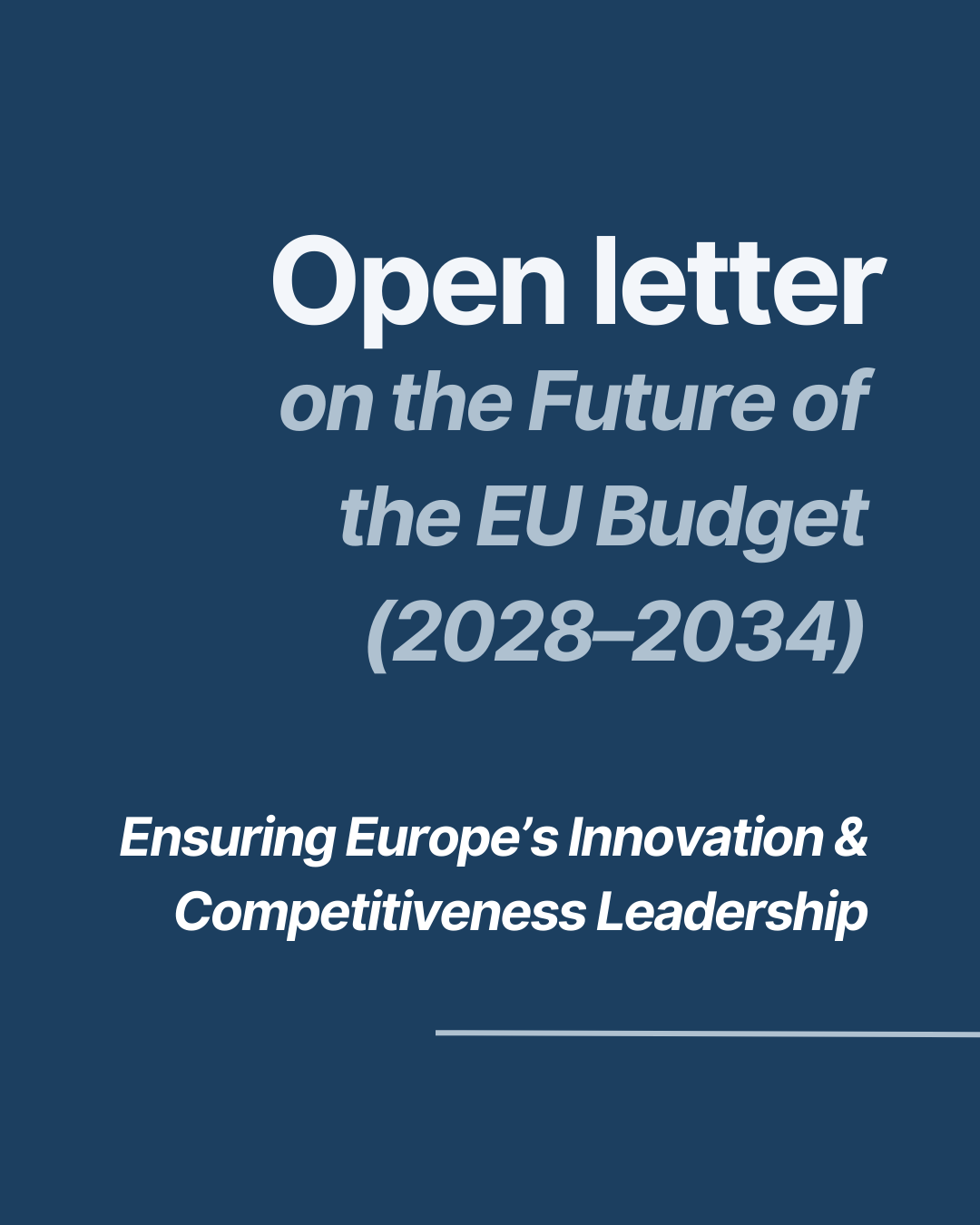
European networks, including NECSTouR, representing stakeholders across all 27 EU Member States, bringing together 285+ regions, and connecting 900+ innovation ecosystem organisations have co-signed an Open Letter to call on the European Commission, the European Parliament and the European Council to safeguard and reinforce Smart Specialisation Strategies (S3), and protect multi-level governance in the next Multiannual Financial Framework post-2027. This will be essential for connecting regional strengths with EU priorities, fostering collaboration and bringing innovations to market across borders. In brief, our key messages are:
In conclusion this is a call for a balanced and future-proof budget, which must not force a false choice between competitiveness and cohesion. Europe’s ability to innovate, transition and remain globally competitive depends on mobilising all its territories. Smart Specialisation is not a legacy tool but a strategic asset for Europe’s future.
We urge the European Commission, the European Parliament and the European Council to ensure that the final MFF framework reflects this reality, and that Europe’s regions remain actors, not bystanders, in shaping Europe’s economic future.