October 10, 2026
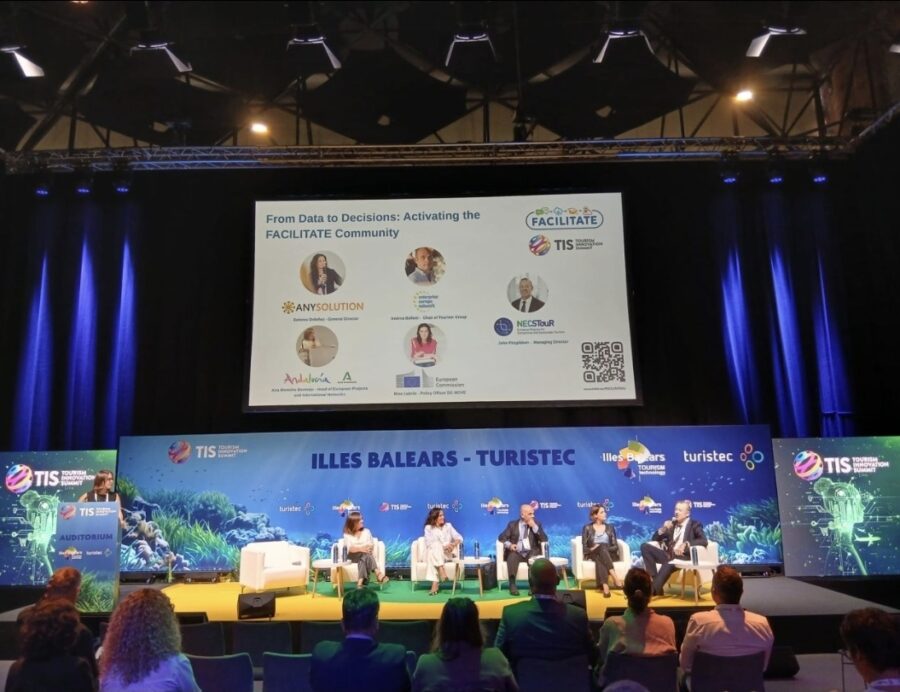
NECSTouR launches FACILITATE Community at TIS 2026 to Support Destinations & SMEs
[...]
See more
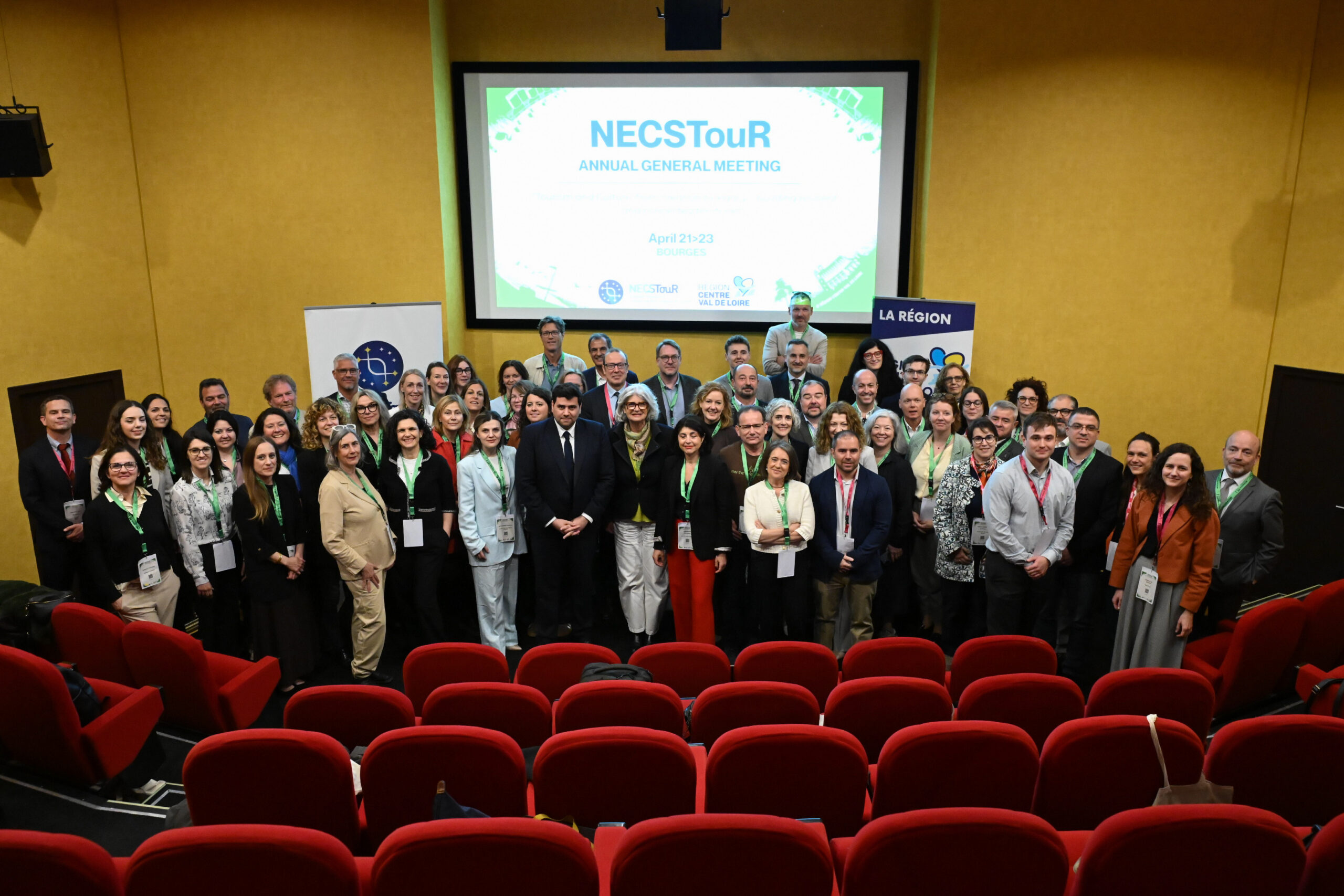
NECSTouR successfully concluded its 2026 Annual General Meeting (AGM) in Bourges under the theme ‘Tourism and Culture: from creation, to legacy-building resilient and connected territories’.
From 21-23 April, we brought together European regions, destination management organisations, universities and tourism research institutions, EU institutions and strategic partners to strengthen the role of regions in shaping a more sustainable, resilient and competitive tourism ecosystem. Hosted by the Centre-Val de Loire Region, the three-day Annual General Meeting reaffirmed NECSTouR’s commitment to supporting Europe’s regions at a crucial turning-point for tourism, with the upcoming new European Strategy for Sustainable Tourism. The message of this gathering was clearly stated by our newly elected President, Mathieu Cuip ‘the European Tourism strategy needs to be practical, rooted in territories, giving regions a role and a real seat at the table’.
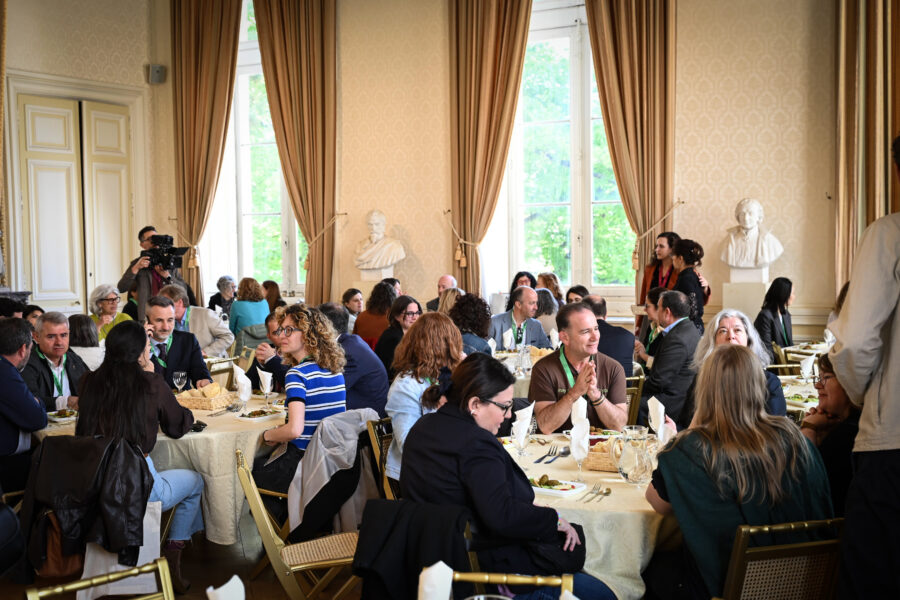
The NECSTouR AGM hosted over 100 participants from 31 regions and 6 universities and research institutes that came together to demonstrate the valuable insights coming from the on-the-ground experiences of territories across the continent and to move us closer to reaching the objectives of the NECSTouR 2030 Pathway Strategy. We took this step forward towards the 2030 Pathway through the range of workshops, thematic networking sessions, high-level policy debates, panel discussions and study visit demonstrating that Europe’s regions have a depth of knowledge and success stories that have enhanced the lives of visitors and residents.
With the setting of Bourges’ preparations to become European Capital of Culture 2028, we explored how tourism, culture and territorial development can work together to create long-term value for communities. The combination of AGM and preparations for Bourges European Capital of Culture 2028 reinforced the need for continued cross-border collaboration and to confirm tourism’s central role as a driving force for fostering positive change across communities.
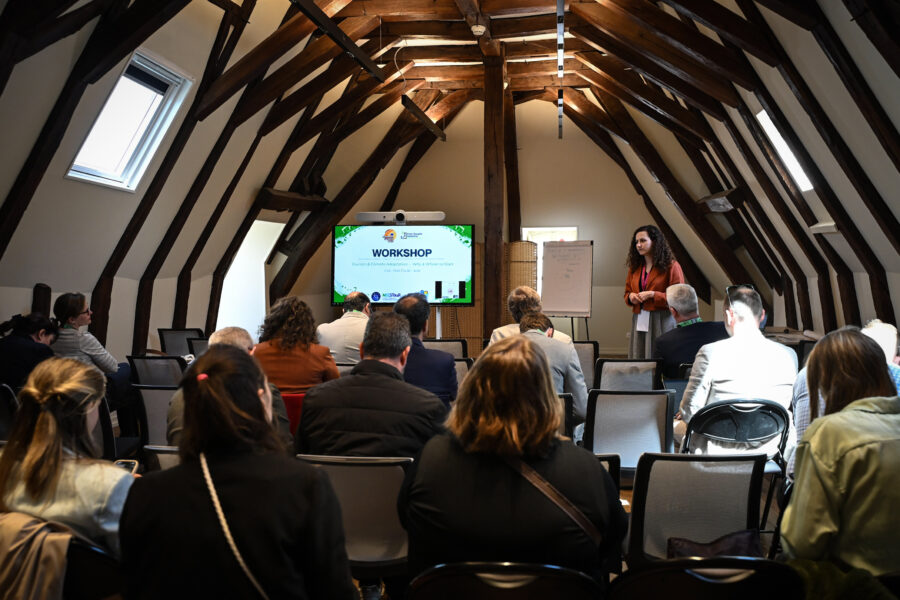
The AGM programme centred on the key components of NECSTouR’s 2026 Work Programme: governance, data, climate action and knowledge exchange within the network. The Governance Hub session highlighted the different working groups of the Governance Hub namely: Conscious marketing, and destination development with the goal of using this platform as an interface to drive change and deliver upon the targets in our Climate and Data hubs. Through practical Living Labs, members advanced collaborative work on data-driven destination management and climate adaptation. The Data Workshop delivered by NECSTouR’s Tourism of Tomorrow Lab team provided members with knowledge to support evidence-based decision-making at destination level. ToTLab is placing NECSTouR members at the forefront of data usage for better decision making and governance in destinations. The Climate Workshop, aptly taking place on Earth Day 2026, and organised as an EU Climate Pact Satellite Event provided participants with practical knowledge on how to begin a climate adaptation process at destination level.
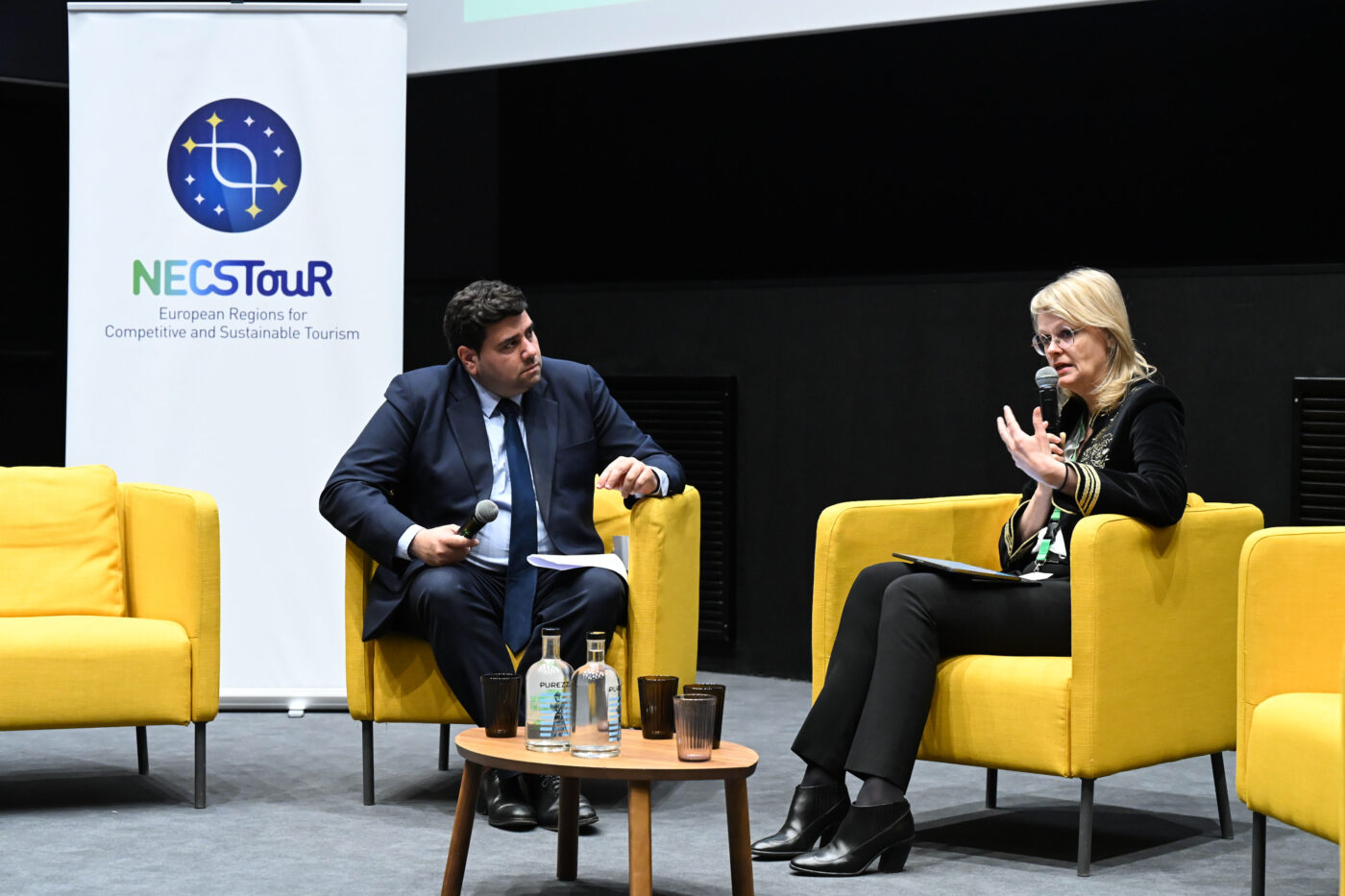
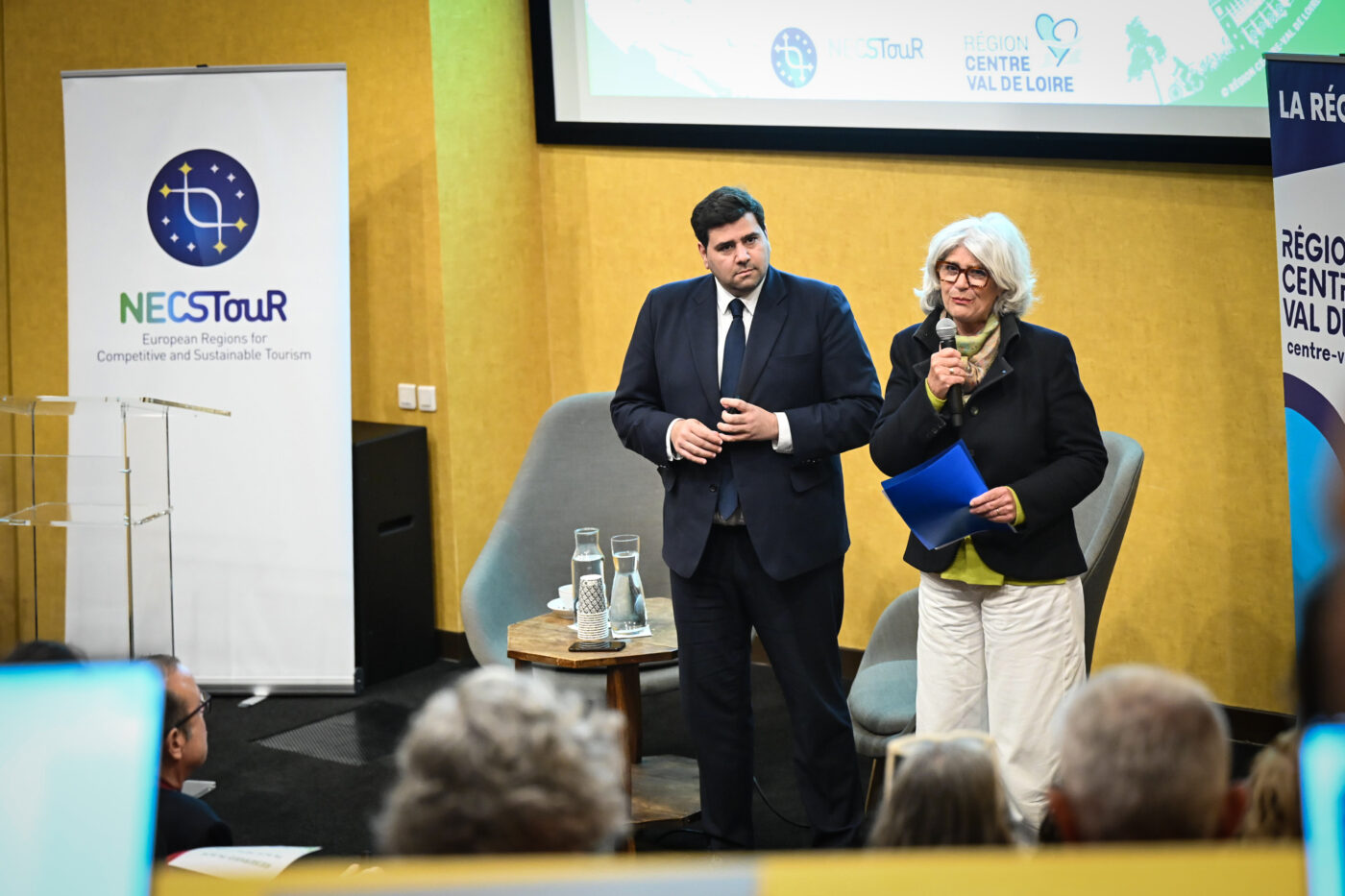
The high-level policy debate during the Thematic Conference ‘Tourism and Culture: from creation, to legacy-building resilient and connected territories’ was moderated by President Mathieu Cuip and Director of Policy Coordination at DG MOVE Mona Bjorklund. The discussion with regional representatives and stakeholders addressed the upcoming new European Tourism Strategy and specifically the role of regions in delivering this. Mr. Cuip used the opportunity to emphasise that the upcoming Strategy must ‘place regions at its heart and use [regional] experience to lead effective delivery on the ground’. For the strategy to be effectively implemented, Ms. Bjorklund confirmed the need to incorporate the perspectives and knowledge of regions and thus deliver tangible benefits for Europe’s citizens and environment.
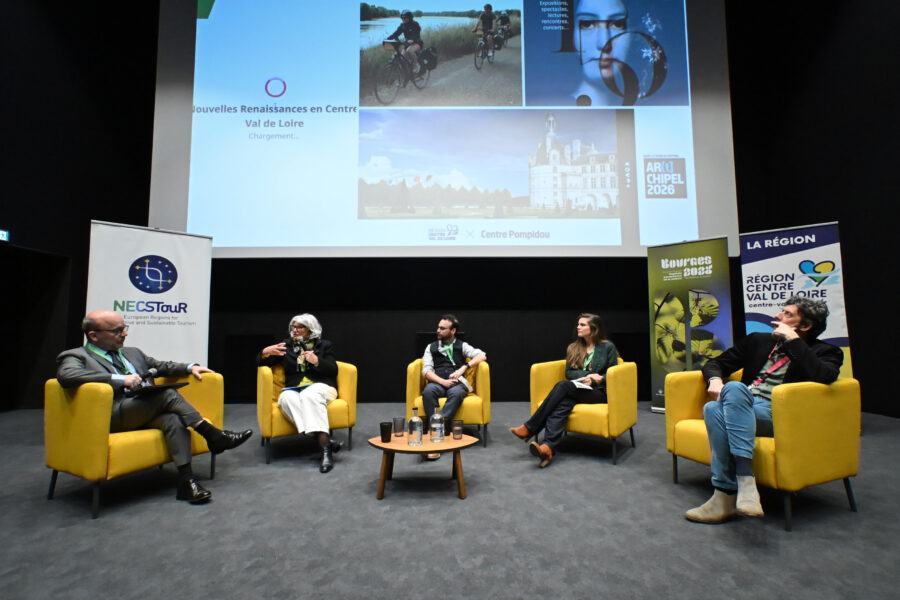
As part of the thematic conference, the roundtable “Shaping a Destination through Culture: Success Stories from Centre‑Val de Loire” offered participants valuable insight into how culture can drive territorial transformation. Moderated by Patrick Torrent Queralt, Executive Vice President of NECSTouR, the discussion brought together key representatives:
Participants were able to hear from a range of stakeholders from the host region, sharing their experiences and perspectives on the implementation of their region-wide tourism and culture strategy titled ‘Nouvelles Renaissances’.
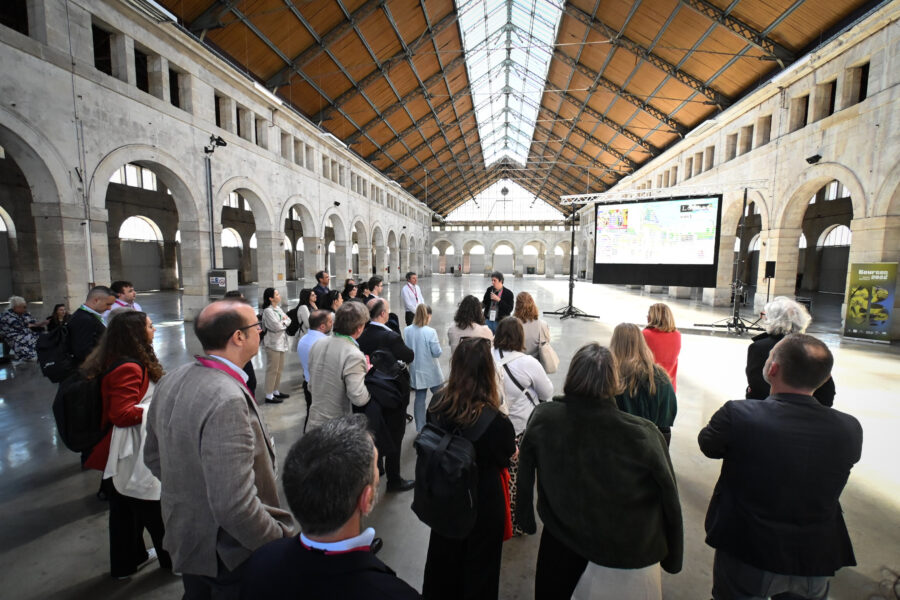
Through a presentation of the key pillars of the Bourges 2028 bid, General Commissioner Pascal Keiser highlighted how Bourges 2028 will ‘leave a tangible legacy, invent a pioneering model in which cultural influence and attentiveness to living beings become the engines of a resilient territorial economy’. This was followed by a study visit to discover three spaces of the city that will undergo a transformation to hold cultural and artistic exhibitions during 2028 offering members a concrete example of how cultural programming can translate into place‑based, sustainable tourism development that fosters community engagement and rejuvenation of the local area.
The three days in Bourges demonstrated that regions must play a central role in Europe’s tourism transition by highlighting that territories across Europe have valuable knowledge and experience that is resulting in beneficial change for residents and visitors in their destinations. In Centre-Val de Loire region, the NECSTouR membership deepened its cross-border collaboration and demonstrated that regions are indispensable in shaping and delivering the European Sustainable Tourism Strategy.