October 10, 2026
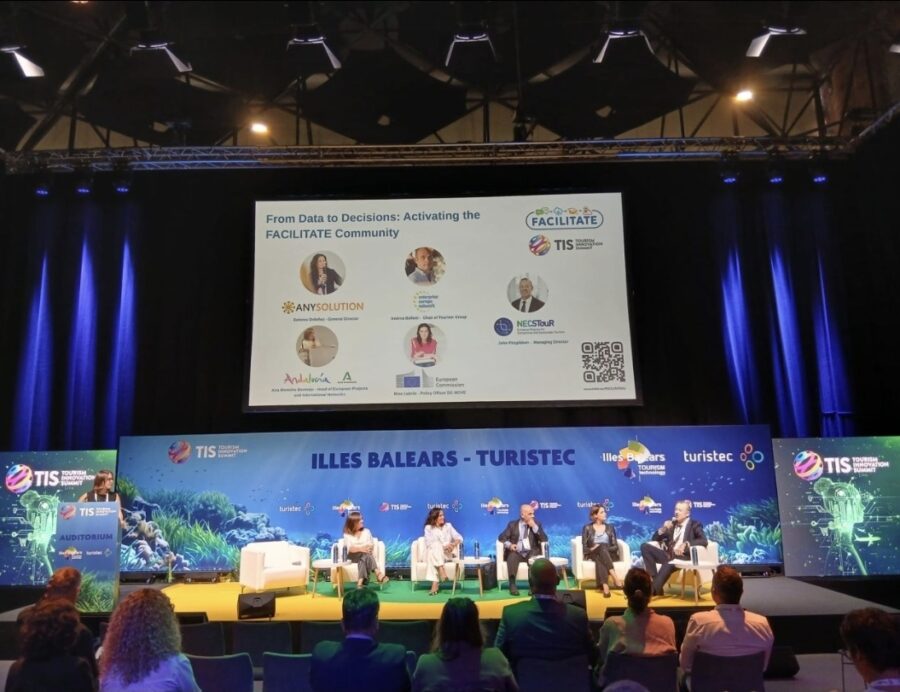
NECSTouR launches FACILITATE Community at TIS 2026 to Support Destinations & SMEs
[...]
See more

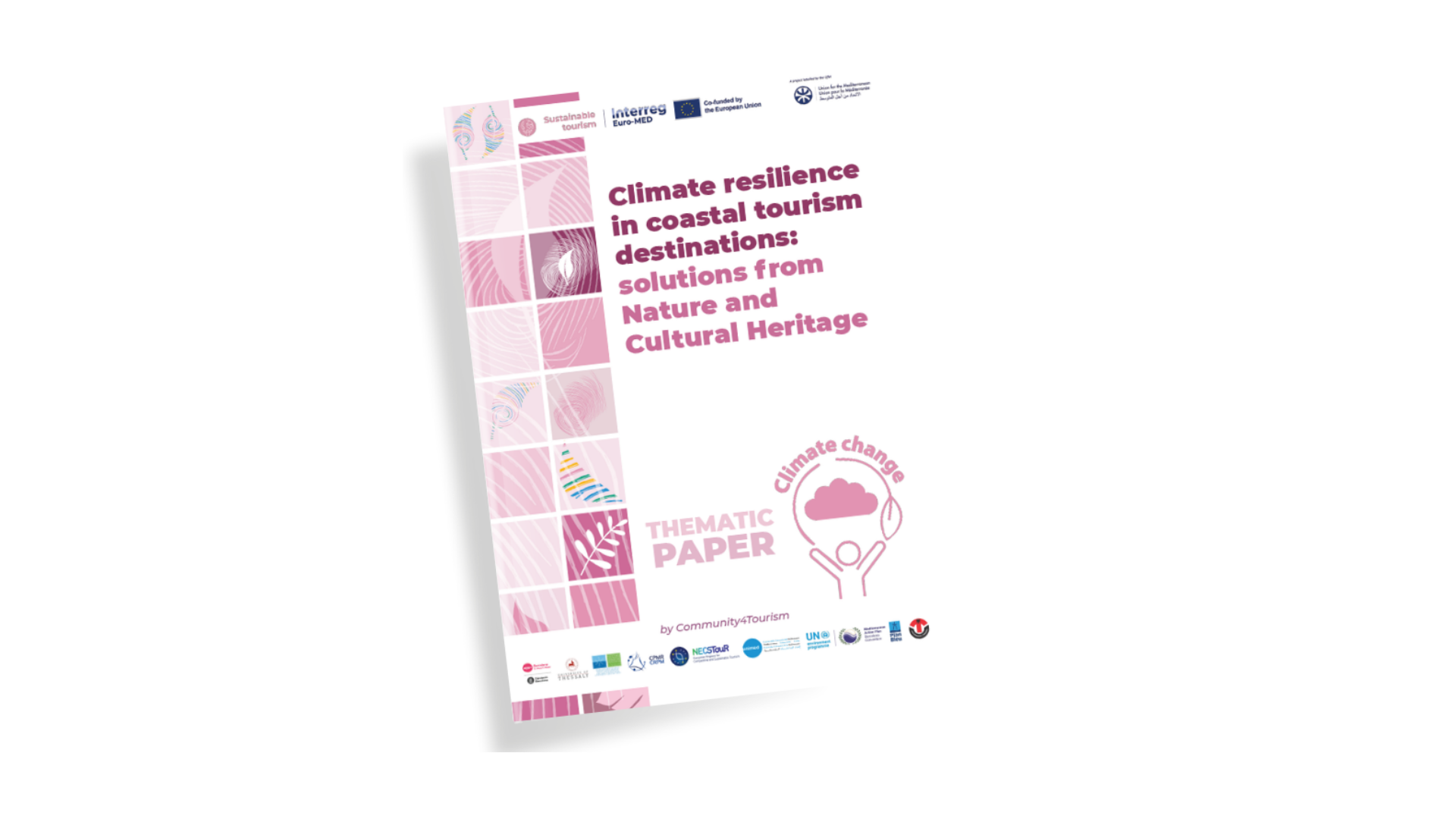
The Mediterranean Cluster on Climate Change Adaptation, an initiative of the Community4Tourism project, has published a new thematic paper, “Climate resilience in tourism coastal destinations: solutions from Nature and Cultural Heritage.” Coordinated by NECSTouR and Plan Bleu and written by expert Marianne Lang, the paper brings together data and experiences from seven thematic projects and partners across the Mediterranean.
The Mediterranean faces a growing “double challenge” of climate change and tourism pressure, making climate resilience a strategic priority. Tourism is vital for income and employment, but it is concentrated in coastal and island areas that are highly vulnerable. At the same time, the region is a climate, tourism and biodiversity hotspot, with ecosystems and cultural heritage that are increasingly under strain as peak tourism coincides with periods of highest environmental stress.
Rising temperatures, sea-level rise and increasing tourism pressure are leading to ecosystem degradation and heritage deterioration, while traditional tourism models, based on strong seasonality and continued growth, are reaching their limits. Tourism demand peaks when water availability is lowest and heat reduces visitors’ comfort, creating a growing mismatch between tourism systems and climate realities. Efforts to respond are hindered by fragmented governance, limited funding and capacity gaps, making it difficult to move from planning to effective, long-term action.
Climate resilience in coastal tourism means the ability to cope with climate impacts while maintaining long-term attractiveness, and it should be seen as an opportunity to rethink tourism systems. Nature-based solutions, such as restoring ecosystems, help reduce risks and improve visitor experiences, while cultural heritage supports diversification, local adaptation and visitor comfort. Together with emerging regenerative approaches, these strategies can rebalance tourism across seasons and drive more sustainable, innovative tourism models.
A range of concrete solutions has already been developed through the MED Cluster’s thematic projects, showcasing transferable approaches that can inspire climate resilience across Mediterranean destinations:
In the paper, additional initiatives developed by members of the NECSTouR Climate Hub highlight practical approaches to strengthening climate resilience in tourism destinations.
The Relleu Smart Walkway, developed by the region of Valencia, promotes inland nature and cultural experiences to reduce pressure on coastal areas. It uses smart monitoring to manage visitors, improve safety, and support local economies.
The Climate Change Adaptation Manual for Heritage Tourism, developed by Historic Environment Scotland & Visit Scotland, helps businesses assess risks and plan adaptation. It strengthens resilience across the sector, ensuring heritage sites remain accessible and sustainable.
In conclusion, the MED Cluster on Climate Change Adaptation highlights that building climate-resilient Mediterranean tourism destinations requires participatory governance involving public authorities, tourism stakeholders and local communities, alongside integrated, cross-sectoral approaches that link tourism with climate adaptation, water, biodiversity and heritage policies. Nature-based and cultural heritage-based solutions emerge as key tools to reduce risks while preserving the assets that underpin tourism, but scaling them up will depend on supportive policy frameworks, targeted funding and stronger local capacities. Ultimately, adapting to increasing climate uncertainty will require strategic foresight and long-term, place-based approaches tailored to the specific environmental, cultural and socio-economic conditions of Mediterranean coastal and island destinations.