October 10, 2026
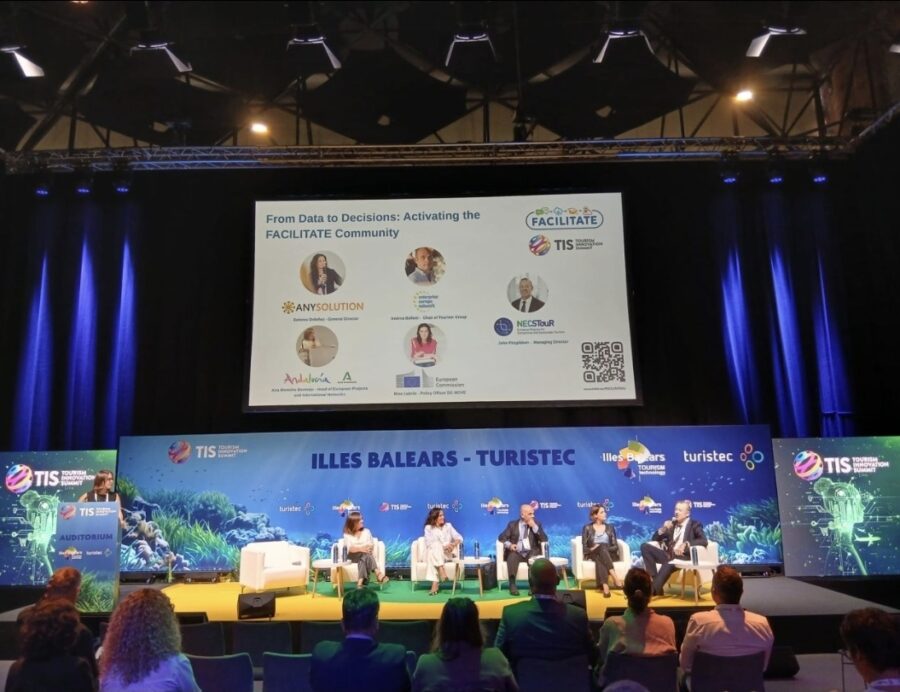
NECSTouR launches FACILITATE Community at TIS 2026 to Support Destinations & SMEs
[...]
See more
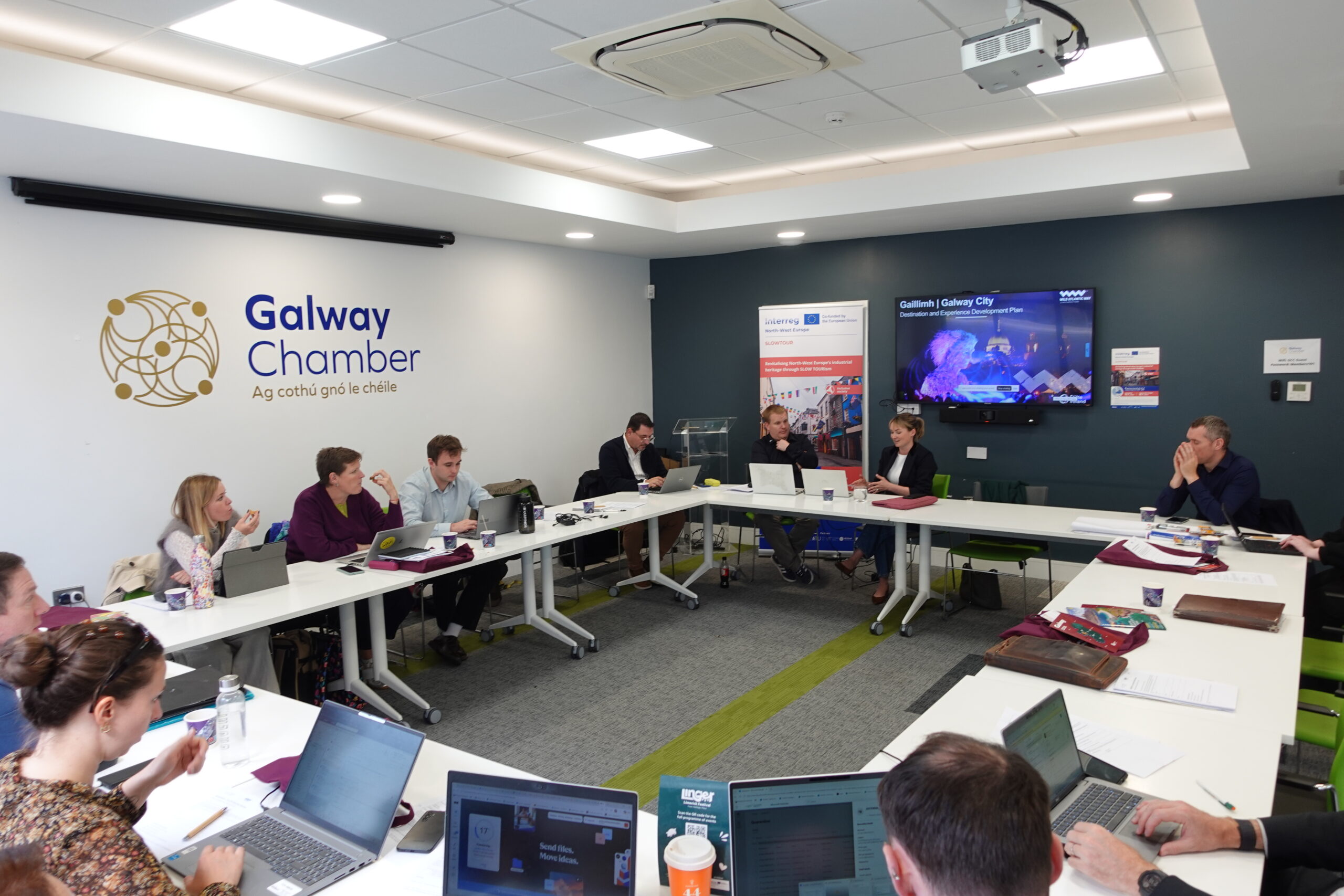
Through the SLOWTOUR project, NECSTouR with its project partners, City of Roubaix, IDETA, City of Roeselare, Galway City Council, Atlantic Technical University, Limerick City and County Council, City of Pirmasens are driving a transition to slow tourism in Northwest Europe.
Slow tourism is a community centred, low carbon approach to destination development that prioritises longer stays, meaningful engagement with place, environmental stewardship, and the retention of local economic value, ensuring that tourism enhances quality of life for residents while improving the quality of experience for visitors.
Slow tourism’s effects are twofold, firstly it enables lesser-known destinations to flourish for the benefit of visitor and resident. Secondly, it offers an effective solution to rebalance tourism flows for destinations while simultaneously giving visitors the ability to foster a deeper connection in a region in turn addressing the needs of conscious travellers.
As part of the SLOWTOUR project funded by Interreg Northwest-Europe, NECSTouR is supporting small and medium-sized cities to reverse socio-economic decline and revitalising underused industrial heritage sites with a focus on community involvement and co-creation.
Across six pilot actions in four countries, SLOWTOUR partners will test the blueprint through activities such as heritage-based experiences, walking and cycling routes, food-related events, and the temporary or permanent reuse of public spaces. Based on the pilot results, the project will produce a Slow Tourism Playbook, designed as a transferable tool for other cities and regions in North-West Europe and beyond.
NECSTouR, as the communications work package leader, is showcasing the significance of this project and the benefits slow tourism offers to residents and visitors.